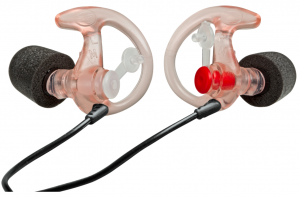
Train Like You Fight with a Good Set of Ear Plugs
That might sound like an oxymoron to many as who has time to put in a set of ear plugs before engaging in a life or death struggle. It just so happens that that the author writing this to you now is a United States Marine veteran of Iraq who can personally testify that, no, you do indeed not have time to put in earplugs before a firefight. For that matter, you wouldn’t want to anyway.
A Holster by Any Other Name is Still a Holster
To the novice, a gun holster is a leather gun shaped pouch one wears on the side of their hip. The the informed, they know that a gun holster can be nearly anything you can imagine. A gun is but a tool and for every job there exist its proper tool. The same can be said for most gun accessories. Different jobs require a different holster. Is speed required for this particular job as you fancy a quick draw scenario? Or perhaps concealment is what is called for to accomplish this particular mission. Maybe firepower is needed and for that, your standard ankle holster simply wouldn’t do. The options are many, but make no mistake about it. A holster by any other name is still a holster.
DNA Tactical Self-Defense Tools
A firearm is only as effective as the skill of the shooter. Gear is only as good as you know how to use it. But the same is true for your fists, elbows, knees and feet. When it comes to self-defense, the options for protecting oneself are nearly limitless. Still, every scenario must be judged circumstantially when it comes to the setting, the situation, the individual, and the items at hand. The saying, "you can't bring a gun to a knife fight," is an analogy for a variety of potential self-defense situations. Ultimately, it's more often than not that a person is unprepared or surprised when confronted with a situation that would require some degree of protection or self -defense. When that happens, the best self-defense tools and tactics are the ones you have on hand when the moment strikes.
A Guide to Handgun Holsters
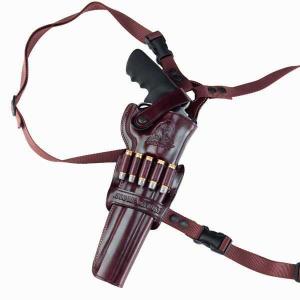
Though it may look "cool" when you see the detective character do it in the movies, it's never been a practical approach to keep a handgun concealed by tucking it into one's waistband. Hence why since the dawn of the invention of the first handguns ever produced, there have been holsters designed specifically to both carry them conveniently and conceal them from plain sight.
Waistband v. Shoulder v. Ankle: The Great Holster Debate
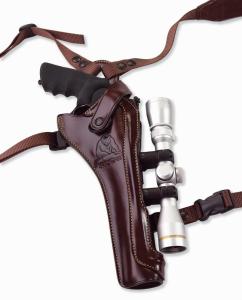
Before you get to excited in thinking that are going to settle the great holster debate once and for all time, we should probably tell that we here at DNA Tactical do not believe in telling you what’s best for you. Rather, we believe in educating the American shooter and letting the informed lover of 2A liberty decide for themselves. After all, it will be your life and the lives of those you love on the line when you need it most. The truth of the matter is that the best gear is the gear you know and trust. It is the gear designed for the job at hand and not the opinions of some “expert” on an internet forum. So let’s jump right into waistband v. shoulder v. ankle, the great holster debate.

Essential Gear Components for Disaster Survival
For many preppers, gear is the name of the game when it comes to disaster survival. That's part of why at DNA Tactical, we aim to stock the supply a wide variety of gear of the highest quality for any emergency situation. You’re probably already familiar with the term "bug out bag" and you may already have one (or more) of your own. Everyone has his or her own idea of what a bug out bag should look like, but there is no such thing as the perfect set up.
Protecting Your Eyes on the Range is Plain Common Sense
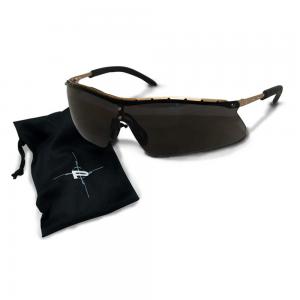
There exists a school of thought in the gun community that you should always train like you intend to fight. While this is certainly solid advice from a tactical standpoint when it comes to muscle memory and accurate shooting, there is always some yahoo on the range who takes that mantra a little too far.
Customize Your Gear to Win the Fight of Your Life
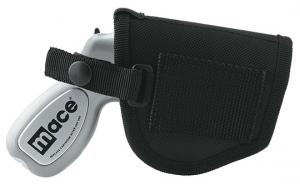
Interchangeable combat and tactical gear has made huge strides over the past 17 years. Perhaps it’s due to the nation being at war for the past 17 years and what better test to evaluate combat gear’s effectiveness than, well, combat. Lessons from the battlefield taught infantry types the need to customize their gear for max effectiveness rather than embrace the standard operating procedures handed down by some butter bar 2nd Lieutenant. In the end, if you are going to win the fight of your life you need to know your gear as if it were a part of your own body. You should train with your gear like you intend to fight so that when the snap and crack of a bullet flying overhead rings out you are not struggling to find your extra magazines or ammo. Want to win the fight of and for your life when it happens? Customize your gear for the fight ahead.
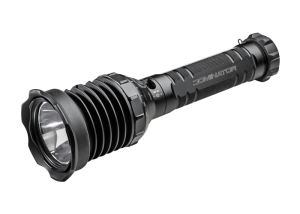
How to Choose A Hand-Held Light
Whether you're an everyday man, a handyman, a policeman, or a military man – or woman – a high-quality light (or torch) should be a go-to part of your gear lineup. Given the fact that darkness consumes between one-third and one-half of the entire day, having quick access to light can be crucial, even lifesaving. Just think about how often you may use a flashlight at home for everyday tasks: power outages, scouring the attic, working in the garage, you name it. These situations may not be life and death, but when it comes to tactical use a proper flashlight is more than just a tool for light. Today, flashlights are more than a tool, but an extension to one's self-defense kit. Hand-held lights have the capability to blind, break glass, pierce skin, maim, and otherwise deter a combatant.
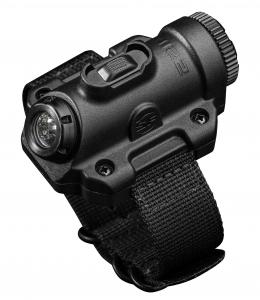
How to Choose a Hands-Free Light
There are times and situations where a flashlight just doesn't cut it. Every time you're using a flashlight, you're multitasking. That means you're using your free hand to do something else and you'd rather have both hands freed up to focus on the task at hand. It could be the difference between life and death, on whether or not you can protect yourself, on finding your way or staying stuck, or just a matter of convenience. There are situations where you just need both hands to deal with a perp, set up your gear, or manage the everyday tasks made more difficult under the cover of darkness, even if it's just fixing a flat.
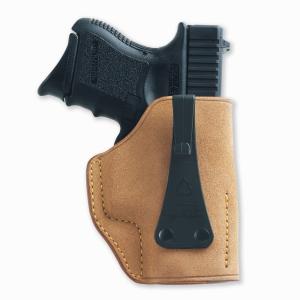
The Right Holster for Everyday Carry? You are Your Own Expert
Somewhere in this freedom loving land of America is a passionate supporter of the 2nd Amendment who always wanted a gun around their ankle. For them it seemed functional, comfortable and the thought of dropping to your ankle and taking out the bad guy movie style was a dream come true. The only thing stopping this patriot from purchasing that ankle holster was some yahoo on an internet gun forum claiming to be an expert. Screaming about all their credentials and how that was the worst idea in the world deterred this would be happy owner of an ankle holster. After all, if someone on the internet says they are an expert it must be true. Here’s the truth my friends. When it comes to everyday carry you are your own expert. What’s the right holster for you? You likely already know.
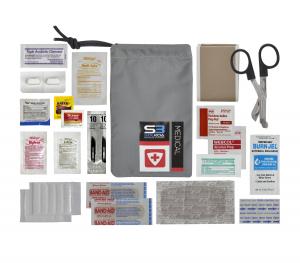
Emergency Outdoors Medicine and Rescue
Whenever you head out into the wilderness you should carry basic medical equipment, even on a daily basis I always have a case of band-aids in my pocket for minor cuts, and a more robust first aid kit in my bag which includes a large wound dressing, CAT tourniquet and extra band-aids and dressings for minor wounds. These items might save your life in the event of an accident.
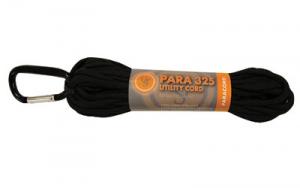
Cordage and Accessories for Survival and Outdoors
Long before celebrated Canadian bushcraft and survival expert Mors Kochanski dedicated a chapter of his famous book Northern Bushcraft to the topic of 'bindcraft' and before Dave Canterbury’s concept of five C’s of survivability became popular Stone Age hunter gatherers were creating cordage from the bark of willow and basswoods, grasses and animal skins.
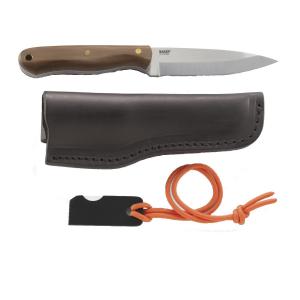
Choosing and Using Survival Knives
This is what we need to look for in a primary knife; something that will perform basic wood craft tasks such as creating feather sticks, whittling, preparing food and game and at a push batoning or splitting SMALL wood. The small needs to be emphasised because you must not risk your primary knife by splitting large logs or treating it like and axe or froe.
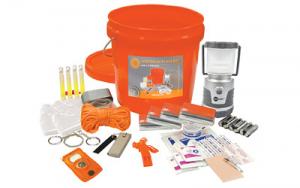
The First Priority of Survival
As long as we have oxygen shelter and protection from the elements is our biggest priority in a survival situation. In extreme conditions; perhaps a fall into freezing water or being outside without proper winter clothing in very cold conditions, you have literally only minutes before you are incapacitated to the point of being unable to care for yourself. In these situations there is a very real possibility that you will die!
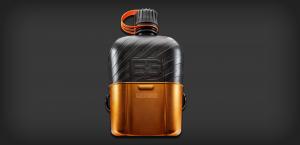
Water, Water Everywhere but Not a Drop to Drink
When we go on adventures out of doors we need to face it that we can’t carry all the water we need for days on end. We need to be able to find it and make it safe to drink. Also bear in mind that without water you will only survive for three days. Staying hydrated should be one of your highest priorities while you are outdoors and you should take every opportunity to top up your water supplies.
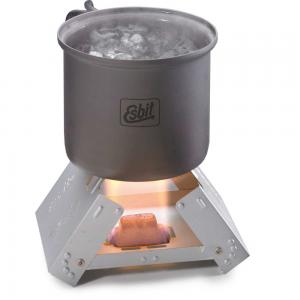
Food Glorious Food
When we look the survival rule of three’s; three minutes without air, three hours without shelter in harsh conditions, three days without water, three weeks without food we have to face it that food is at the bottom of the list.
That doesn’t mean that we should ignore it though, having to forage, hunt and scavenge for food is a time and labour intensive activity so being prepared for emergencies with a well-stocked pantry or for outdoor adventures with well packed provisions if you’re headed out on an expedition is essential.
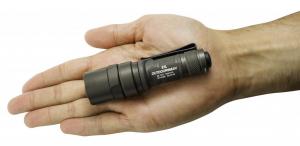
Light Your Way in a Survival Situation
Sometimes being prepared requires you to have a light on you at all times, too often people rely on their mobile phones to light their way if they need to find something or do anything in the dark. Not only are mobile phone batteries drained very quickly by using the torch but in an emergency your phone is probably better preserved for contacting other members of your party and making emergency calls.
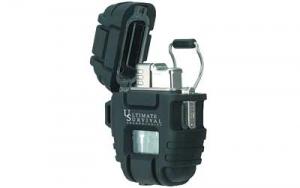
Fire Lighting Tips for Outdoor and Survival
Fire is one of your most vital resources in the outdoors, nothing else in the history of the human species has been quite as revolutionary as the discovery and harnessing of fire, and it is as vital now as it ever was. In the outdoors only our requirements for air and shelter ranks above our need for fire.
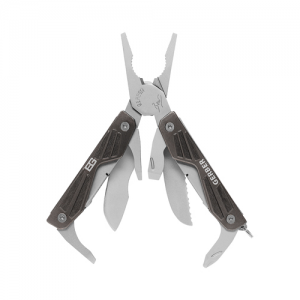
Always have the correct tool for the survival situation at hand
There are so many factors that are involved when we think and talk and read about "survival". We may think about being in the wilderness, or we may think about the jobs that some of us have in the world where use-of-force is regular and necessary, or we may think about civil unrest (a reality that is, sadly, growing more common in our country recently). And for each of these, there are various tasks and tools that come to mind as well ‑ everything from purifying water to binding a wound to defending against an attacker to staying warm and dry. What we all agree on is that surviving is serious business where the stakes couldn't be any higher and the price of failure couldn't be more severe.
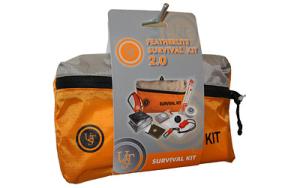
Always be prepared for injuries in the field
I want to tell you a little story. This is a story about a lack of
preparation. A story of when being stupid was thankfully followed by being
lucky. Without the latter, the former would have kept me from telling this
story at all. Depending on luck is a terrible decision in a survival situation.
Depending on "well, this has always worked before" is foolish ‑ we should learn
from those around us who may have more experience or more knowledge (or even a
differing perspective or viewpoint). As Bismark is to have said, "Only a fool
learns from his own mistakes. The wise man learns from the mistakes of others."
This would make me a fool and you, the reader, wise.
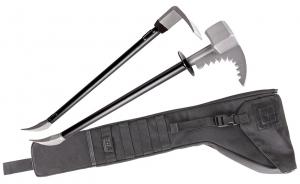
Most any job can be made safer
I remember an assignment I had in the fourth grade. We were supposed to walk around our houses and find the best or the most important tools in our homes. I walked first to the barn to look at all the equipment for the yard and fields and paddocks and pens ‑ everything from rusting scythes to filthy posthole diggers to more wrenches than I could count to piles of nails and screws and other fasteners. Nothing there seemed like The Most Important Tool. I tried the garage next ‑ more wrenches and everything was covered in oil, and nothing seemed even as important as the tools in the barn.
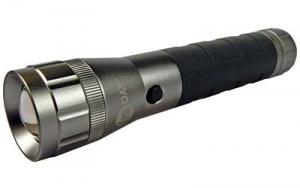
Your daily carry kit should include the ability to light up the night!
EDC: Every Day Carry. This means so much more than simply a concealable firearm, though that is the extent of what many people think. There are so many tools that we need access to every day other than a gun; in fact, our gun is likely the tool that we will reach for the least. So what is it that we need to have with us at all times in addition to a weapon? We have talked before about the importance and utility of a knife and some type of multi-tool. What else do we carry? A light source. DNA Tactical is the place to find the equipment and the advice to help you find the hand held lights that you need.
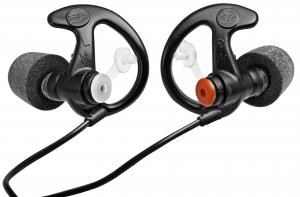
Protecting your hearing as you train is as important as the training itself
Is there anything more foolish than hurting yourself while training to protect yourself? Whether we get hurt in the weight room or while going for a run or while otherwise protecting our health and wellbeing, it feels (and arguably, in preventable cases, is) absurd to sustain an injury in the pursuit of health and safety.
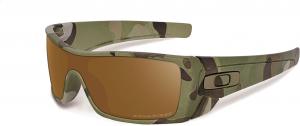
Protecting Your Eyes in all Situations
I want to tell you a story about eyewear. It's a simple story that could have happened to any one of us (and, the more often I tell this story, the more often I have people reach out to me saying that they experienced the same or a similar set of circumstances.) But first a little background about me, so that you know that I am not just a foolish Johnny-come-lately who was ignoring some of the most basic safety rules that experienced people follow as a matter of course.
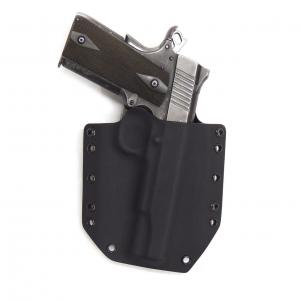
Choosing the Right Holders for Your Gear
I had spent my whole life shooting and hunting and camping and backpacking. I shot for fun on the range and in wilderness in northern New England. I hunted small game with rifle and shotgun and big game with revolvers. I never really liked camping (parking my car or motorcycle at a campsite and pitching a tent there and walking in the woods), but I loved to backpack ...
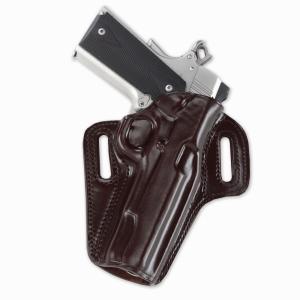
The right holster is as important as the right gun
How much time do we spend researching a firearm that we want? Does endless sound about right? We read magazine articles. We read online and print reviews and comparison tests. We go on countless gun forums where "experts" will praise or revile the same weapon countless times. We talk to friends and strangers about their experiences with the gun.
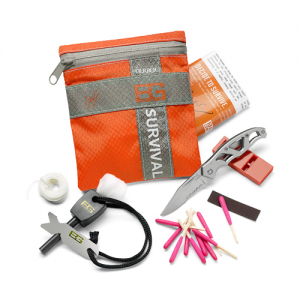
The Key is Always Preparation
With their specific Medical Components and their complete Medical Kits, DNA Tactical has the tools that you need to make sure that you come home safely from every environment and every encounter in your life. You will know that you have what you need on your belt, in your bag, or in your car to preserve both your life and the lives of those around you.

HOME DEFENSE BASICS
So you have committed to adopting a firearm, purchased your first gun for "Self-Defense", now what? Have you taken everything into consideration? Do you have the education, understanding, background, and respect to use your firearm; especially pertaining to a Self-Defense scenario? Are you familiar with all the influences that entail Firearm Safety? Did you take the time to familiarize yourself with all the variant aspects of ammunition and how they are traditionally utilized?

Training vs. Practice
It is actually surprising how often the difference between "training" and "practice" is discussed, argued and more often than not, compared to one another in theory. The truth is, these two fundamentals are not remotely similar, the basics are different and both require diverse approaches to truly master the craft!
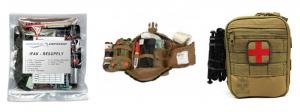
INDIVIDUAL FIRST-AID KIT (IFAK)
Sometimes, and more often than not, it just really seems that the favorite pastime of mankind is strife. If one were to turn on any source of main-stream news right now, they would be inundated with images and news of dastardly events going on throughout the world.
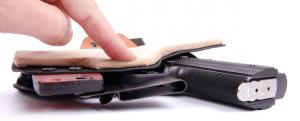
HOLSTER COMFORT
When planning to purchase a holster for your firearm, it is vitally important to purchase a holster which properly fits the required revolver or pistol, and will safely and securely retain the weapon during the type of activities envisioned while wearing it. Often times, people will shop for exactly that and essentially overlook a very key element…COMFORT. If comfort isn't taken into account, the wearer will be desiring a whole new holster within just a few weeks or even days. Buyer beware! Ignoring this element will lead to severe frustration (i.e. ‑ Holster Rage) and is entirely preventable from the beginning.
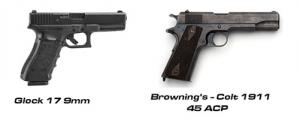
ERGONOMICS OF THE MODERN PISTOL
You just picked up a brand new Glock 17, and of course without hesitation, want to test out your new "Purchase", immediately heading to the shooting range where you meet up with a good friend of yours, who brings his Colt 1911. After a few shooting warm-up drills, you each decide to try out the other's firearm. The very first thing you notice is how different they feel from the other in your hand, due to the differences in grip angle.

Be willing to do SOMETHING!
The other night, I was driving to a popular BBQ restaurant near the house, as I needed to pick up some food for the family. As I neared an intersection that led to the highway, I saw traffic building up and figured it would be quicker to take a side street. I turned right onto an unfamiliar road and about two (2) blocks down, I noticed a man lying on the sidewalk by a vacant store front. He didn't appear like a person that was just down on their luck, intoxicated, or homeless. Instead, he immediately reminded me of "Battlefield" casualties I had seen while on my previous deployments.
FIRE STARTERS
Many Anthropologists agree that three (3) of the most important and influential events in human history were, tool making, the invention of the wheel, and finally, the taming of fire. Of these, fire allowed our forbearers to illuminate the night, kept predators away, provided heat for comfort, and allowed them to cook food. It could be easily argued that fire is one of the cornerstones of civilization, culminating through thousands of generations in the ability to forge tools and by blending various metals, in creating stronger alloys. Fire (though seemingly archaic), is a vital part of modern life, whether applied to industrial plant(s), the boilers or incinerators in large buildings, or even the gas burning stoves in restaurants and homes, all require a flame.

Understanding Ammunition & Common Terms
Ammunition can seem overly complicated to the novice or even the semi-experienced shooter. There are a few terms and concepts that people should probably be familiar with before selecting or committing to ammunition. There are literally complete encyclopedia sets written on this topic, but for the sake of limited time and an ability to fit within a few pages, the DNA Tactical Team will attempt to break things down into simplified and manageable segments in order to classify different forms of ammunition and their optimized use.
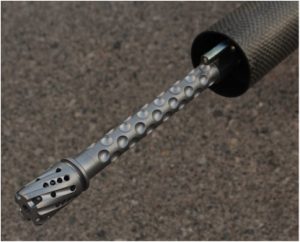
Defining Different Muzzle Devices
One of the most common modifications and enhancements to firearms on the market today are muzzle devices. In general terms, a "Muzzle Device" is simply a CNC-machined product that gets added to the end of the barrel or muzzle of a firearm in order to accomplish a specific task and come in many variations. A few objectives these devices try to enhance and accommodate for are:
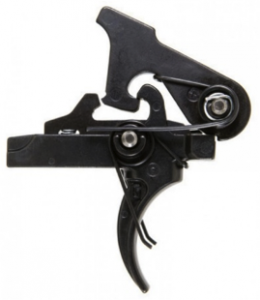
Single Stage and Two Stage Triggers
In recent years, rifles have become some of the most popular and sought-out firearms in America. Countless variations have been introduced, from fluctuations in manifolds to innovative modifications evolving elements in design and functionality to augment activities such as hunting, competition and self-defense. Unfortunately, the advances in technology and innovation integrated failed to evolve the traditional issues with stock triggers, demanding shooters to search for solutions.